Recent comments in /f/gadgets
jawshuwah t1_iy4v81u wrote
Reply to comment by [deleted] in LG Display’s ‘invisible’ speaker brings sound to any surface in your car by MicroSofty88
I also skimmed. Pretty neat!
He does mention the need for a sub
I can definitely see the appeal of a large minimalist flat panel speaker. My girlfriend probably wouldn't let me put speakers in the living room, but these she would like design wise.
Could you not hang it like a picture frame, so the string is hidden behind?
He says they cost $30 to make
s33murd3r t1_iy4v3xj wrote
Reply to comment by ExplosiveDiarrhetic in LG Display’s ‘invisible’ speaker brings sound to any surface in your car by MicroSofty88
Ever heard of physics? Don't need to hear it to know this. Tech can only compensate to a small degree.
ObscureD_Lee t1_iy4uxnh wrote
Reply to comment by kmc307 in LG Display’s ‘invisible’ speaker brings sound to any surface in your car by MicroSofty88
Manufacturing a speaker isn’t worth it anymore if this works. Quality isn’t to be a subject if the words are understandable. Putting mfg and waste at the front of a decision on a feature. No need to build speakers in cars if these work good enough. It makes a traditional speaker obsolete.
[deleted] t1_iy4ujni wrote
Reply to comment by kmc307 in LG Display’s ‘invisible’ speaker brings sound to any surface in your car by MicroSofty88
[deleted]
Beyond-Time t1_iy4ua1o wrote
farox t1_iy4tq8d wrote
Reply to comment by Northstar1989 in This is the first house 3D-printed from bio-based materials - The new technology could come in at a key moment. by speckz
Check out what they are doing in Tokyo for example. I am talking about allowing more commercial and low industrial usage mixed in with residential.
I get the point of packing people as tightly together as possible and the issue of R1 having very few people paying for lots of roads and other infrastructure, driving communities into debt. (For real, how shit is this whole concept?)
But I don't think you need to go that far. Instead of everyone needing to drive 20km that way, it would already do a world of good if people had to go 2km in random directions.
Yes, this might or might not be problematic for mass transit. But you could use that to play around with different densities. Have more money? Get more land. Have less money? Get less land. But mix it up more as a whole.
I don't think you'll be able to turn north America into Amsterdam. (And trying to will get you lots of ideological pushback)
But maybe you don't have to. (This is assuming electric, maybe even autonomous, cars, renewable energy...) But just mixing things up a bit more would be a step in the right direction. Even if the rest stays the same.
Catatonick t1_iy4tq1b wrote
Reply to This is the first house 3D-printed from bio-based materials - The new technology could come in at a key moment. by speckz
Is this just figuring out a way to add extra carbon emissions in the middle of the build process?
kmc307 t1_iy4sven wrote
Reply to comment by ObscureD_Lee in LG Display’s ‘invisible’ speaker brings sound to any surface in your car by MicroSofty88
What the hell are you talking about? lol
Minuenn t1_iy4sj5r wrote
Now they can look how they sound
Enoan t1_iy4sex5 wrote
Reply to comment by goodnitegirl-666 in This is the first house 3D-printed from bio-based materials - The new technology could come in at a key moment. by speckz
2 main factors:
1: supply/demand. Even a small apartment in a city is a pretty decent place to live due to proximity to all the city services.
2: real estate investment. Large investment groups purchase land as an investment. If they rent it out then there are many limits on how the property can be handled, modified, or sold due to renters protections. These limitations do not apply if kept empty. With the growth of services for short term rentals it has become practical to keep properties empty to take advantage of the greater liquidity and use short term rentals to help make up the difference.
013ander t1_iy4ryif wrote
Reply to comment by Tokugawa in This is the first house 3D-printed from bio-based materials - The new technology could come in at a key moment. by speckz
“Bio based,” like oil?
LouSanous t1_iy4rojq wrote
Reply to This is the first house 3D-printed from bio-based materials - The new technology could come in at a key moment. by speckz
How hard would it be to 3D print Hempcrete?
I mean, it's not structural, but certainly it could be extruded into the forms and compacted automatically, right?
BrewKazma t1_iy4racn wrote
Reply to comment by JuiceColdman in LG Display’s ‘invisible’ speaker brings sound to any surface in your car by MicroSofty88
A cheap Bose one.
tinydonuts t1_iy4r4of wrote
Reply to comment by ImGCS3fromETOH in LG Display’s ‘invisible’ speaker brings sound to any surface in your car by MicroSofty88
Car manufacturers are missing a large untapped market here. They could start marketing their 100k luxury cars as affordable tiny home replacements given that the median new home sale price is now north of 400k. Just pop a 4K screen in for the windshield and add a coffee maker and you’re good to go.
Hodgkisl t1_iy4pr0u wrote
Reply to comment by Northstar1989 in This is the first house 3D-printed from bio-based materials - The new technology could come in at a key moment. by speckz
Please see my edit, you no longer must buy a new home for primary residence sale. I believe you used to have to buy another.
Also fun is with investment property you can 1031 exchange and avoid any amount of capital gains indefinitely.
JuiceColdman t1_iy4plvn wrote
Reply to comment by BrewKazma in LG Display’s ‘invisible’ speaker brings sound to any surface in your car by MicroSofty88
What sound bar do you use
r0b0c0d t1_iy4plbf wrote
Reply to comment by [deleted] in LG Display’s ‘invisible’ speaker brings sound to any surface in your car by MicroSofty88
Yeah they're going to have to design and tune parts of the car. Honestly it doesn't seem great; seems more likely to rattle and have weird characteristics at different volumes.
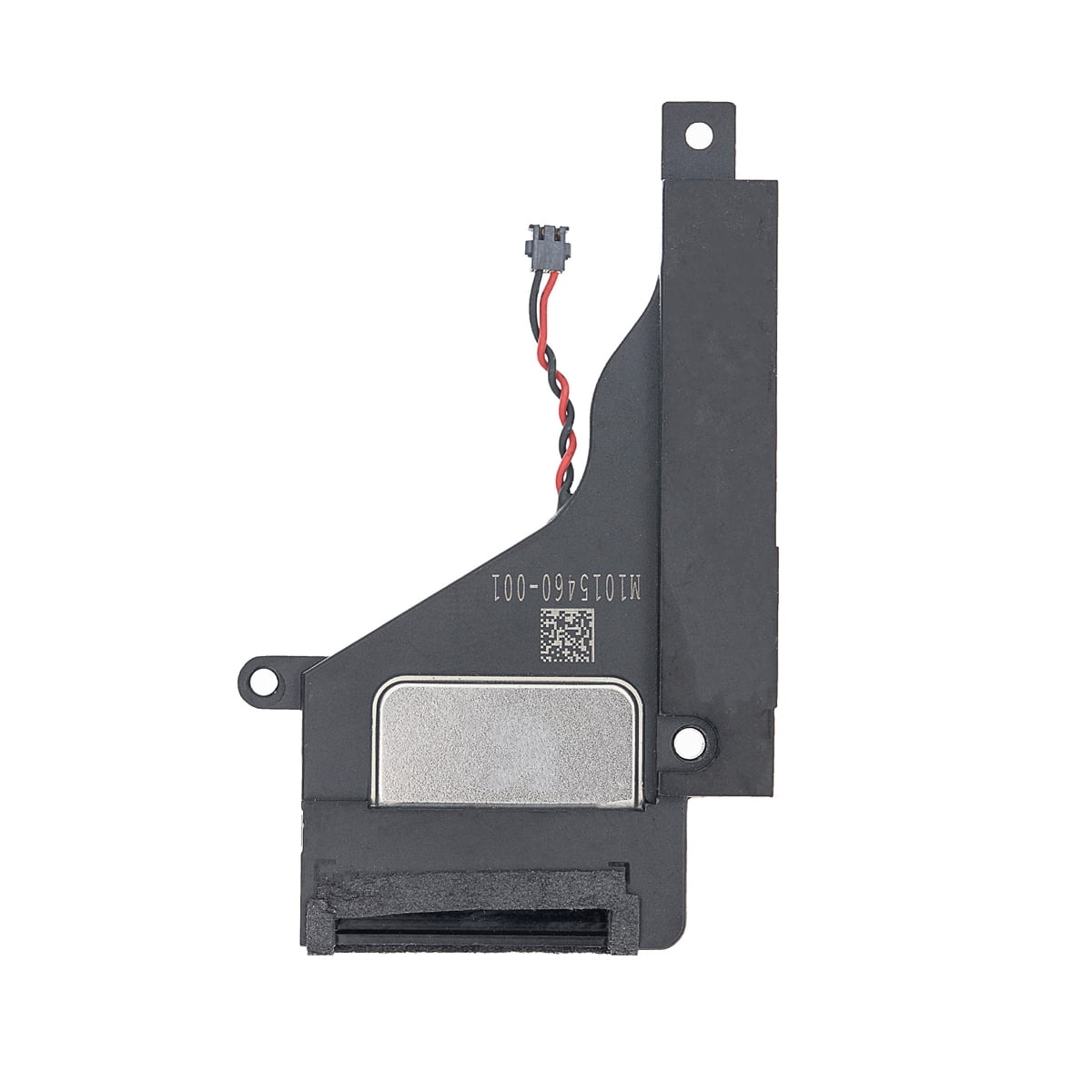
I will say, however, than the 'speakers' on the surface pro are kind of crazy. Pretty much all portable devices these days use the device itself to resonate. Not sure who the first one to do it was, but I'm honestly kind of a shocked at how good the sound is on that device, when it's being driven by these little things.
Northstar1989 t1_iy4ox3a wrote
Reply to comment by Hodgkisl in This is the first house 3D-printed from bio-based materials - The new technology could come in at a key moment. by speckz
If there's a difference in prices, due to moving to a cheaper area?
Capitain_Collateral t1_iy4onop wrote
Reply to comment by PeaceFar9770 in LG Display’s ‘invisible’ speaker brings sound to any surface in your car by MicroSofty88
I have used similar speakers for certain designs - really depends on what you put them on - both in terms of material and geometry.
Northstar1989 t1_iy4omm2 wrote
Reply to comment by Hodgkisl in This is the first house 3D-printed from bio-based materials - The new technology could come in at a key moment. by speckz
>the rapid rise in home prices can benefit existing owners when they sell and leave the area.
Again, once.
In the long run, even existing owners (who are younger, and still looking to upsize rather than downsize) get screwed, as well as everyone who doesn't currently own a home and rents.
Not coincidentally this latter group is disproportionately poor, brown, and young. All groups conservatives love to screw over.
Hodgkisl t1_iy4ogwx wrote
Reply to comment by Northstar1989 in This is the first house 3D-printed from bio-based materials - The new technology could come in at a key moment. by speckz
Capital gains does not apply up to 500k if gain for a married couple to primary residence sales if a replacement home is purchased.
Edit: looks like you no longer must buy a new home, any primary residence sale is eligible if you lived in it for 2 years.
Cowboywizzard t1_iy4o9mu wrote
Reply to comment by farox in This is the first house 3D-printed from bio-based materials - The new technology could come in at a key moment. by speckz
Not until they can 3D print land in desirable areas.
Northstar1989 t1_iy4nwoj wrote
Reply to comment by farox in This is the first house 3D-printed from bio-based materials - The new technology could come in at a key moment. by speckz
>Exactly my point.
Wasn't clear, I guess?
I thought you were shrugging off the clear and evident need for higher density zoning to deal with the housing crisis with the "ughhh, just pave over more green space" (which I find particularly grating, as besides being concerned about the housing crisis, I am also a hiker and an Environmentalist) argument.
Higher density also helps save the planet from Climate Change (in addition to sprawl directly adding CO2 to the atmosphere through soil mineralization and loss of trees), because while it's impossible to service endless R-1 sprawl with a Mass Transit system good enough people will actually use it over driving, without insanely-large subsidies, it's perfectly doable in denser development.
Particularly when combined with Mixed Use Zoning, this can help move things towards where more people are willing to forego owning a car altogether, in favor of Mass Transit (which right now is rare, and exposes you to immense cultural discrimination...)
ExplosiveDiarrhetic t1_iy4ntgp wrote
Reply to comment by s33murd3r in LG Display’s ‘invisible’ speaker brings sound to any surface in your car by MicroSofty88
🙄
[deleted] t1_iy4x121 wrote
Reply to comment by ObscureD_Lee in LG Display’s ‘invisible’ speaker brings sound to any surface in your car by MicroSofty88
[deleted]